Independence does not always mean walking without assistance. It can mean reaching the kitchen safely, leaving home confidently, or standing long enough to prepare breakfast. Mobility aids can make these ordinary moments possible, but the right choice depends on strength, balance, pain, home design, and personal goals. This article explores how to improve independence with mobility aids through practical, evidence-informed decisions.
Dr. Rory A. Cooper, a rehabilitation engineer and wheelchair researcher, has said, “The wheelchair is not a symbol of disability; it is a symbol of mobility.” His perspective matters because mobility equipment should support participation, not simply compensate for limitations. A properly fitted rollator may provide a stable seat beside a busy supermarket aisle. A cane may reduce hesitation on uneven pavement. Grab rails, transfer benches, and wheelchairs can also reduce unnecessary strain when selected and adjusted correctly.
Small details matter. Handle height, brake pressure, wheel position, and floor surfaces can change daily safety. Professional assessment from a physiotherapist, occupational therapist, or qualified mobility specialist can prevent poor fitting and unsafe habits. Still, no device works perfectly for everyone. Some users may feel more dependent before they feel more capable. That discomfort deserves attention, not dismissal.
This guide considers real routines, not idealized outcomes. It examines training, maintenance, accessibility, and confidence while acknowledging personal differences. Independence is gradual. Sometimes, asking for expert support is part of achieving it.
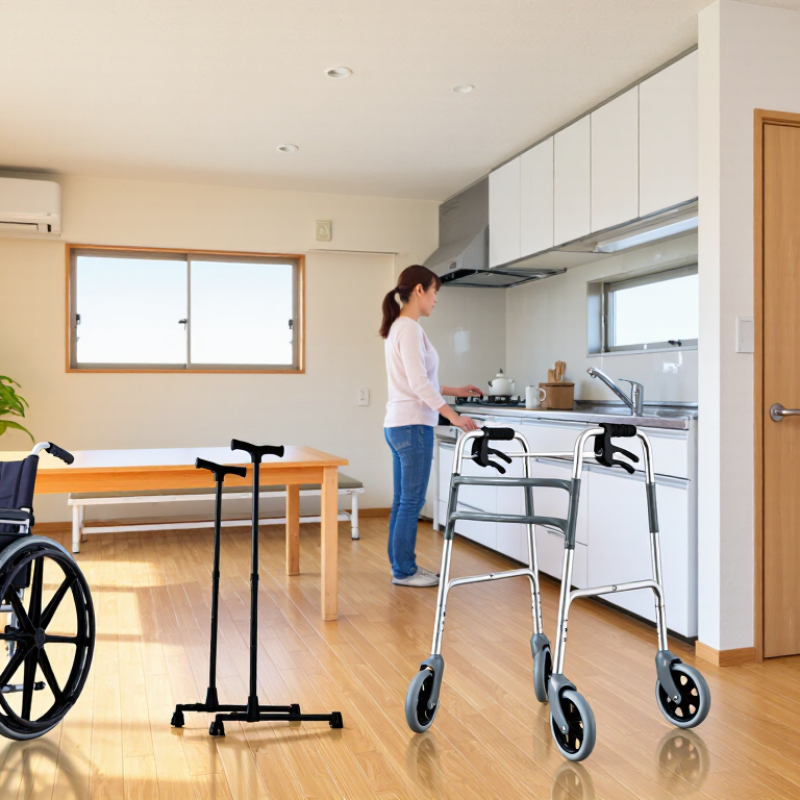
China offers a broad range of mobility aids for different bodies, homes, and daily routines. Walking canes suit people who need light support on stable ground. Quad canes provide a wider base, but they may catch on uneven flooring. Crutches can reduce pressure on one leg after an injury. Proper height matters. The handle should usually align near the wrist when the user stands upright.
Walkers provide stronger support for people with balance concerns. Some have two wheels, while others use four wheels and hand brakes. A seat can help during long shopping trips or outdoor walks. Wheelchairs are available in manual and powered forms. Manual models work well with an attentive companion or strong upper-body control. Powered chairs may help users travel farther, but charging, turning space, and maintenance require planning. Transfer boards and bedside rails can also support safer movement at home.
Choosing an aid should involve a physiotherapist, occupational therapist, or qualified medical professional. They can check posture, walking patterns, grip strength, and fall risks. A device that looks convenient may still be unsuitable. For example, a high rolling walker can encourage poor posture. I have seen people select equipment by appearance alone, then avoid using it because the handles feel uncomfortable. That choice deserves reconsideration. Local roads, elevators, apartment thresholds, and family support also influence the right option. Test the aid indoors and outdoors before regular use. Small adjustments can change confidence, but no device removes every risk.
The handle should reach the wrist crease when you stand upright. Keep your elbow slightly bent. Do not lock it. Small fitting errors can affect balance.
Inspect the frame, screws, handgrips, and rubber tips. Check for cracks or uneven wear. Test it on a clean, dry floor. Do not guess.
Squeeze both brakes firmly and check whether the rollator stops without sliding. Test them before turning or using a slope. It should stop.
Replace cracked tips, loose screws, damaged wheels, or weak brakes promptly. Use a qualified technician for repairs. A loose bolt may seem harmless, but it can change balance.
Wipe handgrips with mild soap and water. Dry them completely afterward. Avoid soaking hinges or spraying cables unless approved instructions permit it.
Keep batteries charged, cables secure, and charging areas dry. Store the equipment away from heat and moisture. Wet charging areas create unnecessary risk.
Seek professional reassessment when walking becomes tiring, uneven, or painful. Body posture may change after injury, pain, or surgery. I often underestimate this change.
Compare established distributors, rehabilitation stores, hospital-linked suppliers, and verified manufacturers. Request specifications, weight limits, warranties, invoices, and service terms. A polished website proves little.
Yes. Fold the sample repeatedly and check for loose screws, brake problems, or alignment changes. Confirm spare parts and response times in writing. Low prices can become expensive.
No. Check which model and features each document covers. Combine records with hands-on testing. Reliability is felt in stable brakes and quiet bearings.
Choosing the right mobility aid can play an important role in helping people move more safely and confidently. This article explains how to improve independence with mobility aids by introducing common options available in China, including walking canes, crutches, walkers, wheelchairs, and mobility scooters. It also discusses how to match each aid with a person’s strength, balance, movement ability, living environment, and daily activities. Features such as adjustable height, stable frames, comfortable handles, reliable brakes, supportive seating, and easy-to-use controls can make independent movement safer and more comfortable.
Proper use and regular maintenance are equally important. Users should learn correct operating techniques, check wheels, brakes, frames, and batteries regularly, and keep the equipment clean and in good condition. The article also offers practical guidance on finding reliable mobility aids in China by comparing product quality, safety information, after-sales support, user needs, and purchasing channels. With thoughtful selection and responsible use, mobility aids can support greater confidence, convenience, and independence in everyday life.

 Kidvora Chair