A wheelchair is not simply a frame with wheels; it is a daily mobility tool that must work for the person using it. Its fit can affect comfort, posture, independence, and the effort required to move. A cushion may help distribute pressure, while adjustable back support can provide a steadier sitting position. Footrests set too high or too low may feel uncomfortable over time. That matters every day. Small adjustments, such as changing armrest height or wheel position, can also affect transfers and maneuverability. Still, a feature that helps one person may not suit another.
A useful starting question is: what are common wheelchair customization options, and which address a real daily need? Options often include seat cushions, back supports, adjustable footrests and armrests, wheel and tire choices, and different control systems for powered chairs. The right combination depends on factors such as body measurements, strength, posture, environment, and intended activities. A rehabilitation professional or wheelchair seating specialist can help assess fit and explain practical trade-offs. For example, a wider chair may feel less restrictive but can be harder to maneuver through narrow doorways. Some compromises remain. Customization is most useful when it is guided by the user’s experience, tested in everyday settings, and reviewed as needs change. A comfortable setup today may need adjustment later.
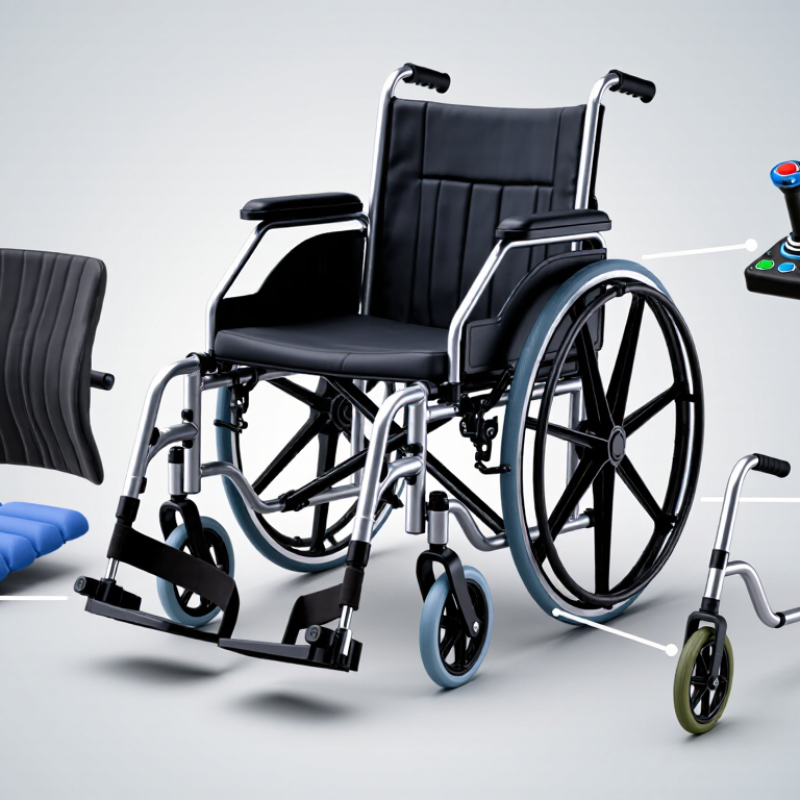
Wheelchair customization covers the parts that shape fit, comfort, and daily use. A seating assessment can guide seat width and depth, cushion type, back support, and footrest position. Even a small mismatch may cause pressure or make transfers harder. Fit matters.
The World Health Organization and UNICEF’s 2022 Global Report on Assistive Technology estimates that 2.5 billion people need one or more assistive products, including wheelchairs.
Options also include frame style, wheel size, hand-rim position, brakes, and armrests. A person who propels by hand may need reachable rims and manageable rolling resistance. Someone using a power wheelchair may need joystick placement, alternative controls, or powered seat functions. These choices should reflect the user’s strength, posture, home layout, and typical routes—not just a product checklist.
Cushions and supports need review as a person’s body or routine changes. Small details count. A footplate set too high can leave thighs unsupported; one set too low may catch on thresholds.
Customization is not a perfect fix, and some adjustments take trial and follow-up. WHO wheelchair-provision guidance emphasizes individual assessment, fitting, training, and follow-up as parts of effective service. A qualified seating professional can help test options in the settings where the chair will actually be used.
A wheelchair should fit the person using it, not just look right on paper. Seat width and depth affect how the body is supported during everyday activities. A seat that is too wide may make reaching the wheels harder; one that is too narrow can create pressure. Cushion shape, back support, and footrest height also influence posture and comfort. Small adjustments matter.
Mobility needs vary, too. Someone who propels with their arms may benefit from wheel positions that support an efficient reach. A person who uses assistance may need different handles or transfer space. Consider where the chair will go: narrow doorways, uneven paths, and a kitchen table all present different challenges. A seating professional can help assess measurements and daily routines. Even then, the first setup may not feel perfect. Real use can reveal details that a fitting appointment misses.
Tips: Bring the user’s usual shoes and clothing to a fitting. Note where discomfort or fatigue appears, and share those observations with a qualified professional. Check that feet rest securely and that controls are within comfortable reach. Tiny changes can help. But avoid guessing at major adjustments; fit should be reviewed carefully.
| Customization Option | What It Matches | Practical Fit Guidance | How It Can Support Mobility and Comfort |
|---|---|---|---|
| Seat width | Hip and thigh width, clothing, and any positioning supports | Measure the widest part of the hips or thighs while seated. A common starting guideline is to allow about 1–2 in (2.5–5 cm) of total clearance, then confirm fit in the chair. | A suitable width can reduce side pressure while avoiding excessive room that may make reaching the wheels or maintaining posture harder. |
| Seat depth | Upper-leg length and the user’s ability to sit back against the backrest | Measure from the back of the pelvis to the crease behind the knee. A common fitting guideline is to leave about 1–2 in (2.5–5 cm) between the seat edge and the back of the knee. | Appropriate depth supports the thighs without pressing behind the knees, helping the user sit comfortably and maintain circulation. |
| Seat-to-floor height | Leg length, foot-propulsion ability, footwear, and transfer method | Set the height so the feet can reach the floor when foot propulsion is needed, or so the feet rest securely on the footplates. Check clearance for transfers and obstacles. | Matching seat height can make transfers, reaching, and foot propulsion more practical for the individual. |
| Backrest height and shape | Trunk control, posture, and the amount of upper-body support needed | Choose the back height and contour according to the user’s trunk stability and activity. There is no single backrest height that suits every user. | Appropriate support can help maintain a stable sitting position while leaving enough shoulder and arm movement for tasks or self-propulsion. |
| Cushion and pressure-management setup | Pressure risk, posture, comfort, and time spent sitting | Select the cushion based on an individual assessment. Check that it is correctly oriented and that the user’s pelvis is positioned as intended. | A suitable cushion can help distribute pressure and support posture. Users at risk of pressure injuries may need professional assessment and regular skin checks. |
| Footplates and leg supports | Lower-leg length, joint range, swelling, and positioning needs | Adjust footplate height so the thighs are supported and the feet are stable. Confirm that the plates do not drag on the ground during normal use. | Correct positioning can improve leg support and help prevent the feet from slipping or contacting the ground unexpectedly. |
| Armrest height and style | Arm length, shoulder comfort, transfers, and access to tables or desks | When the user is seated with relaxed shoulders, the armrests should support the forearms without forcing the shoulders upward. Removable or adjustable styles may help with transfers. | A well-matched armrest can support the arms and make reaching, transfers, and access to everyday surfaces easier. |
| Rear-wheel position and balance | Arm reach, propulsion technique, stability, and experience | Wheel position changes the chair’s balance and how easily the handrims can be reached. Adjustments should be made and tested with appropriate guidance because they can affect tipping risk. | A suitable setup may improve propulsion efficiency and maneuverability while preserving the level of stability the user needs. |
| Controls and accessories | Hand function, vision, fatigue, environment, and daily activities | Choose control placement and accessories around the user’s reach and ability to operate them. Confirm that added components do not obstruct transfers or safe movement. | Personalized controls and supports can make the chair easier to use for communication, positioning, and daily tasks. |
Fit guidelines are starting points, not universal measurements. A qualified seating and mobility professional can assess posture, measurements, pressure needs, transfers, and real-world use.
Personalized seating can make long hours in a wheelchair more manageable. A seat that is too wide may let the body lean; one that is too narrow can create pressure at the hips. Even a small change in cushion height can affect how the feet rest on the footplates. Small details matter.
Adjustments to seat depth, back support, and cushion firmness can help distribute pressure and support a more balanced sitting position. The right setup depends on the person’s body, movement, daily routine, and ability to shift weight. A qualified seating professional can assess these needs and check how the chair fits in practice. Comfort matters, but posture needs attention too.
A setup can look right in a clinic and still feel uncomfortable after a long day. That gap deserves attention. Watch for sliding, leaning, rubbing, or new discomfort, and share those observations with the care team. Small changes may help, but fit is not static. Bodies and routines change, so seating may need review over time. Sometimes the first setup misses something. That is worth acknowledging, not ignoring.
Personalized seating can improve comfort and support posture by matching the chair to the user’s measurements.
Illustrative example, not a prescription: a seat may be slightly wider than hip width and shorter than the buttock-to-knee measurement. A qualified seating professional can help determine an individual fit.
A wheelchair should fit the person, not just the doorway. A seat that is too wide can make reaching the wheels harder. One that is too narrow may cause pressure and discomfort. Small changes matter. Adjustable foot supports can help position the legs comfortably, while well-placed armrests may make transfers easier. A cushion can improve comfort, but choosing one with a seating professional’s advice and checking skin regularly are important.
Customization also affects daily access. A compact turning setup may help in a crowded kitchen, while different wheels or tires may work better on uneven paths. Control placement matters for people with limited hand movement; joystick angle, sensitivity, or alternative controls can reduce unnecessary strain. No setup works everywhere. A chair adjusted for home may feel awkward on a bus or at a desk. That trade-off deserves attention. Testing adjustments in real settings, noting what feels tiring, and reviewing the setup as routines or needs change can help. Some changes take patience.
A wheelchair that fits well today may feel different after a growth spurt, an injury, or a change in daily routine. Customization lets the chair adapt rather than forcing the user to adapt to it. Bodies change. A child may need a wider seat, while an adult with new shoulder pain may benefit from easier propulsion or power assistance. Even moving from a mostly indoor routine to uneven outdoor paths can change which features matter.
Small details matter. A cushion can affect pressure comfort during a long school day, while adjustable footplates may help keep the legs supported as posture changes. Control placement, back support, and wheel position can also be reviewed when reach, strength, or balance shifts. These adjustments should be guided by a qualified seating professional, who can assess fit and function with the user. A quick change without checking posture may solve one problem and create another.
Needs may change gradually, so regular reviews are useful, especially after noticeable changes in comfort, skin, fatigue, or mobility. A simple record of when discomfort occurs can help make those conversations more specific. It is easy to assume a familiar setup is still working because it once did. That assumption deserves a second look. Customization is not always a perfect fix, but timely adjustments can make everyday tasks safer and less tiring.
Options include seat width and depth, cushions, back support, footrests, frame style, wheels, brakes, and armrests. Fit matters.
A seating assessment considers body measurements, posture, comfort, and daily activities. Small mismatches can increase pressure or make transfers harder.
Hand rims should be reachable, and rolling resistance should suit the user’s strength. Wheel position may also need review.
Joystick location, alternative controls, and powered seat functions can be adjusted. The user’s reach, strength, posture, and home layout all matter.
Consider a review after growth, injury, new shoulder pain, or changes in routine, comfort, fatigue, skin, or mobility. Bodies change.
A cushion can affect comfort during a long school day. Footplates set too high may leave thighs unsupported; low ones may catch thresholds.
A qualified seating professional can check fit and function with the user. A quick adjustment may help one issue but create another.
Review it when noticeable changes occur, and keep a simple record of when discomfort appears. A familiar setup may no longer fit.
Wheelchair customization options are important because they help make a chair fit the person using it, rather than asking the person to adapt to a standard design. What are common wheelchair customization options? They may include adjustments to seat width and depth, back support, cushions, footrests, armrests, controls, and wheel configuration. Choosing features according to a user’s body, mobility, and daily activities can improve stability, make movement easier, and help the chair work well in different settings.
Personalized seating can support a more comfortable posture and reduce pressure during extended use. Tailored features may also make everyday tasks and access to familiar spaces more manageable, encouraging greater independence. Because a person’s comfort, abilities, and routines can change over time, customization should be considered an ongoing process. Periodic adjustments can help the wheelchair continue to provide suitable support and remain practical as needs evolve.

Kidvora Chair