Explore our top-tier collection of ergonomically optimized wheelchairs and performance frames engineered for healthcare, active living, and travel.
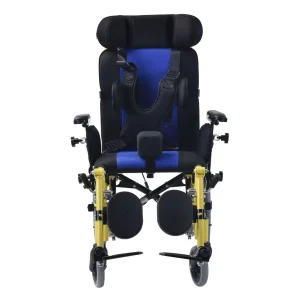
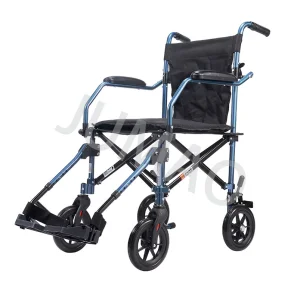
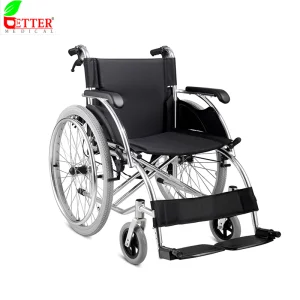
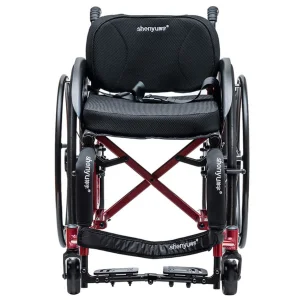
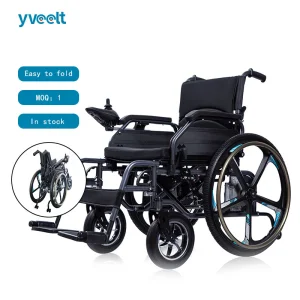
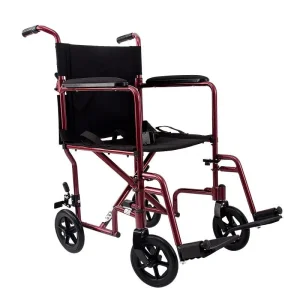
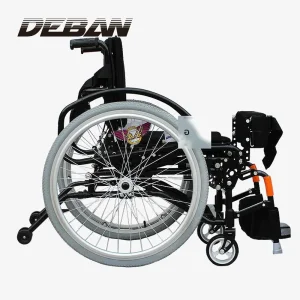
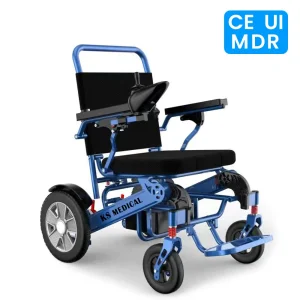
In the field of high-end rehabilitation engineering, the wheelchair frame is no longer considered a simple load-bearing structural component. Instead, it is recognized as the structural foundation of pelvic stability, posture correction, and pressure redistribution. Modern ergonomic wheelchair design has experienced a significant shift away from generic steel configurations and toward custom-engineered, multi-material lightweight frames. This transition has been accelerated by key advancements in orthotics, materials science, and digital fabrication technologies.
A primary driver of this evolution is the global demand for active-user systems. These systems feature dynamic backrests, pelvic stabilizer linkages, and modular center-of-gravity adjustments. B2B buyers now prioritize frames that offer adjustable seat-to-floor angles, custom axle plates, and variable camber options. These features are essential because they prevent secondary musculoskeletal deformities and reduce the risk of repetitive strain injuries, particularly in the shoulders and wrists. Leading design approaches leverage finite element analysis (FEA) to minimize structural weight while maximizing torsional rigidity. This balance is critical to ensuring that the maximum amount of energy is transferred during manual propulsion.
Sourcing managers must balance weight, durability, and cost when selecting materials. The table below outlines the structural trade-offs between the primary materials used in modern wheelchair frame manufacturing:
| Material Class | Tensile Strength (MPa) | Weight-to-Strength Ratio | Vibration Dampening | Primary Application |
|---|---|---|---|---|
| High-Tensile Carbon Steel | 400 - 550 | Moderate | Low | Heavy-duty clinical transit, high-occupancy hospital use |
| 6061-T6 / 7005 Aircraft Aluminum | 310 - 350 | Excellent | Medium | Active lightweight sports, foldable daily use |
| Grade 9 Titanium (Ti-3Al-2.5V) | 620 - 860 | Exceptional | High | Ultra-light custom active models, long-term pediatric use |
| Carbon Fiber Composite (Pre-preg) | 1200 - 1500 | Extreme | Maximum | Elite sports, performance rigid active models |
Procuring ergonomic wheelchair frames at a commercial scale requires strict compliance with international medical device regulations. Buyers from North America and the European Union must source from factories that maintain audited Quality Management Systems (QMS). In the EU, compliance with Medical Device Regulation (MDR) 2017/745 is mandatory. This regulation dictates how materials, mechanical limits, and biological safety profiles are tested and tracked. In the United States, adherence to FDA Class I/II specifications, alongside ISO 7176 series durability testing, is standard practice.
For strategic buyers, procurement goes beyond basic metal fabrication. It requires working with suppliers capable of providing comprehensive verification documentation. This documentation must cover structural fatigue life, biocompatibility of frame coatings, and impact performance. Factories that offer turnkey design capabilities—such as converting 3D CAD models into rapid tool prototypes—provide a significant advantage. This allows distributors to adapt quickly to changing localized market demands.
The global healthcare supply chain faces continuous pressure from fluctuating raw material costs, freight bottlenecks, and strict environmental regulations. In this challenging landscape, Chinese manufacturers utilizing Advanced Factory 4.0 workflows have established a highly efficient, resilient production model.
A prime example of this industrial capability is Jinhua Kidvora Chair CO., LTD., established in 1998. Located in the Jinhua Yongkang industrial region, Kidvora operates a facility exceeding 20,000 square meters. The company employs over 150 highly skilled technicians and manufacturing specialists, positioning it at the forefront of high-precision medical mobility production.
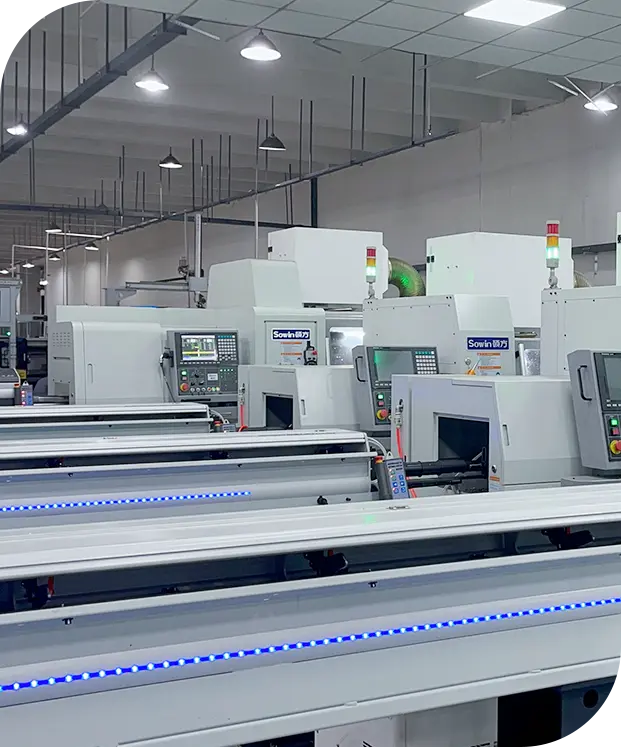

Kidvora’s manufacturing facility features an advanced equipment fleet designed to maintain tight tolerances and ensure reliable volume output:
With decades of focused growth, Kidvora has expanded its distribution footprint across the United States, Canada, the United Kingdom, and Germany. The company provides major hospitals, long-term care facilities, and medical equipment brands with reliable, large-scale supply solutions.
To design an ergonomic frame, engineers must account for the physical requirements of long-term users. Proper positioning is crucial for preventing pressure ulcers, promoting healthy respiration, and improving propulsion efficiency. Key biomechanical considerations include:
Ensuring the frame maintains pelvic alignment, prevents posterior pelvic tilt, and reduces pressure on the sacrum.
Moving the rear wheel axle relative to the user's center of mass optimizes propulsion efficiency and reduces shoulder strain.
Integrating flexible frame elements and shock-absorbing mounts to reduce user exposure to high-frequency road vibrations.
Wheelchair frames must be optimized for the specific environments in which they will be used:
Answers to common technical, manufacturing, and sourcing inquiries from global B2B procurement managers.
6061-T6 aluminum provides an excellent strength-to-weight ratio, reducing the total frame weight by up to 40% compared to carbon steel. This material also offers natural resistance to corrosion and is highly responsive to heat treatment. While steel remains a cost-effective option for heavy-duty hospital transport chairs, aluminum is preferred for active-user and portable models due to its ease of propulsion and transport.
All Kidvora products are manufactured to meet European Medical Device Regulation (MDR) standards. This process includes using trace-certified, medical-grade raw materials, performing fatigue and static load testing, and ensuring all plastic and paint coatings are fully biocompatible. We maintain complete production records to ensure traceability for international medical audits.
Standard production lead times range from 35 to 45 days after deposit and design approval. For custom ODM orders requiring unique frame geometries or tooling, the initial prototyping phase takes an additional 20 to 30 days. We use our 60+ sets of frame processing machinery and 18 injection molders to streamline production and meet tight shipping schedules.
By allowing center-of-gravity (CoG) adjustments, the frame can position the user's shoulder directly over the rear wheel axle. This alignment permits a natural, long-stroke propulsion motion, which reduces strain on the rotator cuff and lowers the risk of repetitive stress injuries over time.
Yes. Utilizing our American Binks painting lines, UV plating facilities, and dedicated assembly lines, we provide comprehensive OEM customization. This includes custom frame colors, branded decals, specific packaging sizes, and pre-sorted accessory kits to meet your market's requirements.
Our advanced collection of motorized mobility chairs, custom accessories, and clinical rehab seating systems designed for long-term comfort and independence.
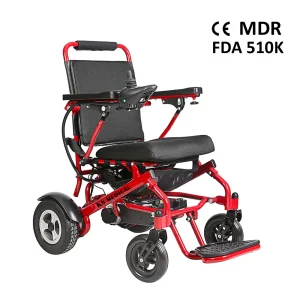
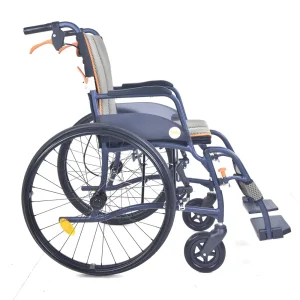
 Kidvora Chair