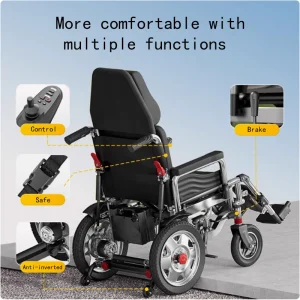
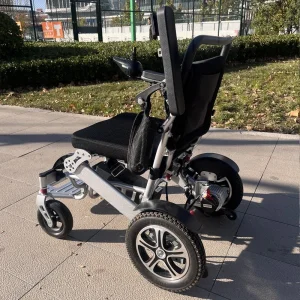
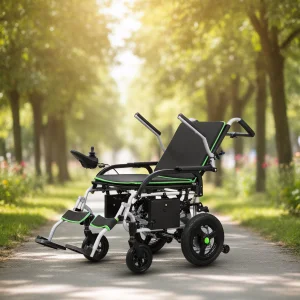
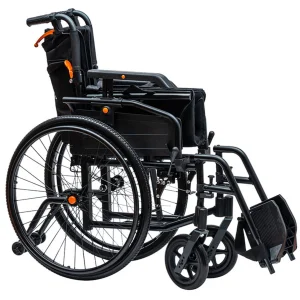
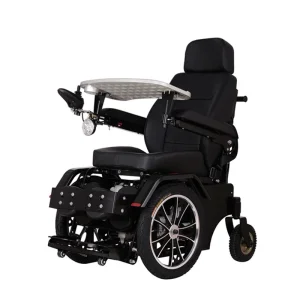
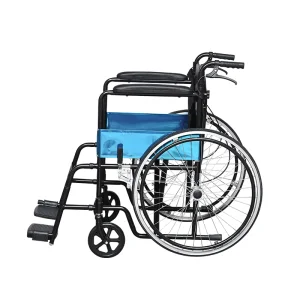
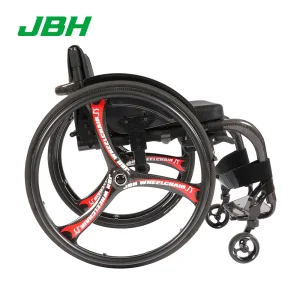
In the modern landscape of rehabilitative medicine, the Tilt-in-Space (TiS) power wheelchair represents the pinnacle of complex rehab technology (CRT). Unlike standard reclining chairs, tilt-in-space mechanisms rotate the seat frame relative to the base, maintaining the constant angles of the user's hips, knees, and ankles. This critical orientation shift is not merely for comfort; it is a vital clinical intervention designed to redistribute pressure from the ischial tuberosities to the back and headrest, effectively mitigating the risk of pressure injuries (decubitus ulcers) for individuals with limited mobility.
As a leading tilt-in-space power wheelchairs manufacturer, Jinhua Kidvora Chair CO., LTD. has spearheaded the integration of biomechanical engineering with smart electronics. Our systems provide a 0° to 50° tilt range, ensuring gravity-assisted postural stability. This is essential for users with spinal cord injuries, cerebral palsy, or advanced muscular dystrophy, where maintaining an upright posture against gravity is exhausting or impossible.
Dynamic tilt allows for periodic weight shifts, significantly reducing the shear force on delicate skin tissues.
Prevents "sacral sitting" by keeping the pelvis locked in a neutral position, enhancing respiratory and digestive function.
Assists in lower limb circulation by allowing the elevation of legs above the heart level in combination with recline features.
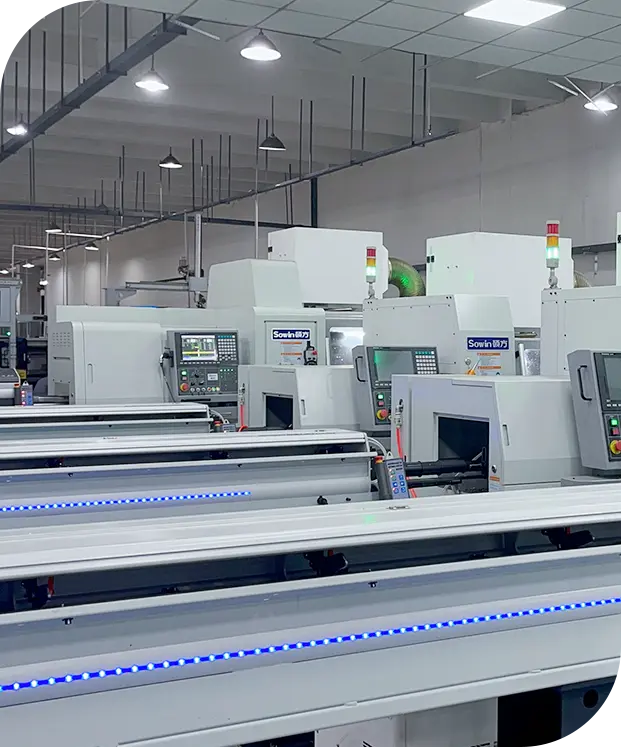
Jinhua Kidvora Chair CO., LTD., founded in 1998, is a high-tech industry leader focusing on wheelchair product research, development, production, and sales. Our infrastructure is the backbone of our reliability. Located in Jinhua Yongkang, our facility spans over 20,000 square meters and employs 150+ dedicated professionals.
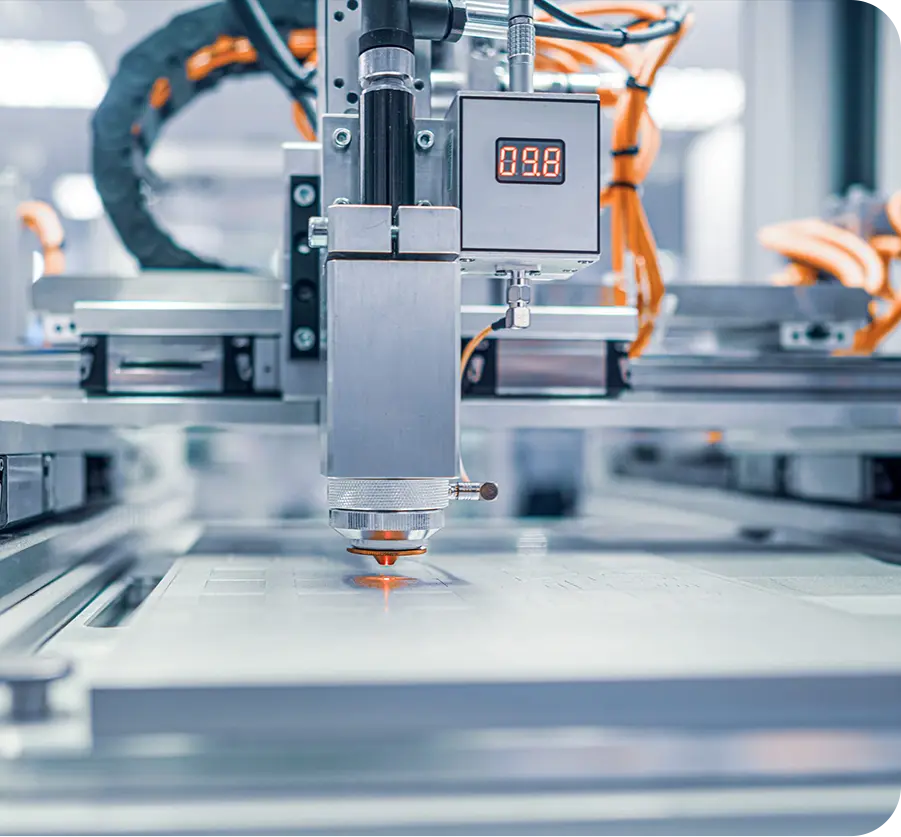
Our industrial capability is defined by precision. We utilize over 60 sets of frame processing equipment, including advanced CNC pipe bending machines and robotic electric welding stations, ensuring the structural integrity of every tilt-in-space frame. Furthermore, our 18 sets of injection molding machines and 3 American Binks painting lines provide a finish that is both durable and aesthetically superior.
The global tilt-in-space power wheelchair market is experiencing a significant CAGR growth, driven by an aging global population and the increasing prevalence of neurological disorders. Countries like the USA, United Kingdom, and Germany are leading the demand for high-end mobility solutions that offer more than just transportation. The shift is towards "Human-Centric Design"—where the wheelchair is viewed as an extension of the user’s body.
Rising obesity rates globally have led to a surge in demand for heavy-duty, bariatric-capable tilt systems that don't sacrifice maneuverability.
The transition to lithium-ion (LiFePO4) batteries and carbon fiber frames is reducing the carbon footprint of the mobility industry.
Smart wheelchairs now feature remote diagnostics and user-activity tracking, allowing clinicians to monitor pressure-relief compliance remotely.
Looking toward 2026 and beyond, Kidvora is committed to a roadmap centered on Autonomous Mobility and Smart Ergonomics. Our R&D department is currently perfecting "Auto-Tilt" algorithms that adjust the seat angle based on real-time pressure sensor feedback. This "Active Skin Protection" will revolutionize how we prevent pressure sores.
Our future models will integrate Brushless DC (BLDC) motors with higher torque-to-weight ratios, ensuring that even our most complex tilt-in-space models remain lightweight and transportable for car trunks—a persistent challenge in the powerchair industry.
As a trusted factory, we provide more than just products; we provide comprehensive infrastructure for hospitals, rehabilitation centers, and global distributors. Our end-to-end service includes:
We tailor frame dimensions, weight capacities, and control interfaces to meet specific regional regulatory standards (CE, FDA, ISO).
Providing durable, easy-to-sanitize manual and power chairs for high-turnover hospital environments and rental services.
Kidvora: We have the best products, best service, best credit. We would like to become your most reliable long-term partner.
 Kidvora Chair