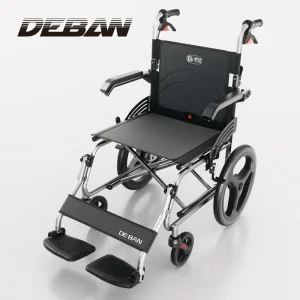
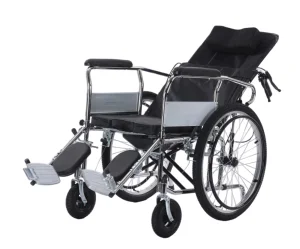
High-flotation tires and anti-corrosion frames, optimized for Kiribati’s coastal environments.
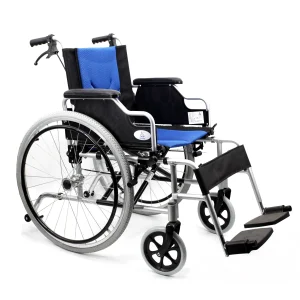
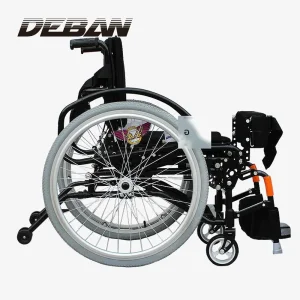
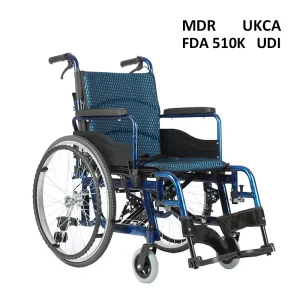
Kiribati, a republic comprising 32 coral atolls and one raised coral island (Banaba), presents one of the most demanding environmental landscapes in the world for assistive mobility devices. With a significant portion of the population dispersed across remote islands like the Line and Phoenix groups, and centralized urban centers like South Tarawa, local infrastructure relies heavily on unpaved sandy terrain, coral gravel roads, and areas exposed to severe oceanic tides.
Standard commercial manual wheelchairs fail prematurely in these environments. The mixture of high relative humidity, persistent ocean breezes rich in salt spray, and abrasive coral dust rapidly degrades standard carbon steel frames and seizes standard open ball bearings. Consequently, supplying all-terrain manual wheelchairs in Kiribati requires a foundational redesign focusing on materials science, pneumatic flotation physics, and absolute mechanical simplicity.
Institutional buyers—including ministries of health, non-governmental organizations (NGOs), and community-based rehabilitation (CBR) teams—recognize that purchasing cheap, standard-built manual wheelchairs creates a cycle of dependency and waste. Sustainable sourcing models dictate prioritizing *Total Cost of Ownership (TCO)* over initial capital expenditure.
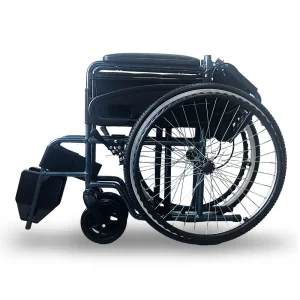
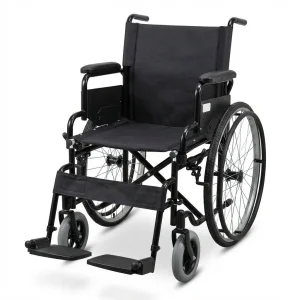
Integration of ultra-durable materials including high-strength polyurethane, lightweight aluminum spaceframes, and anti-corrosive powder finishes designed to last in humid coastal environments.
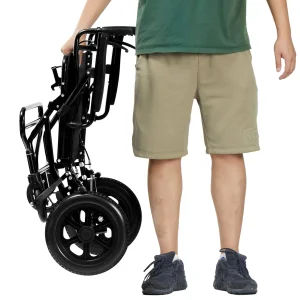
Flat-pack engineering reduces freight volume by up to 40%. Lowering maritime shipping costs to Betio Port and simplifying distribution across outer islands via small cargo vessels.
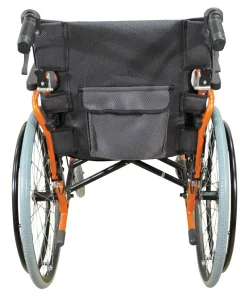
Standardized components allow local healthcare practitioners and community members to conduct repairs with minimal toolkits, ensuring long-term usability.
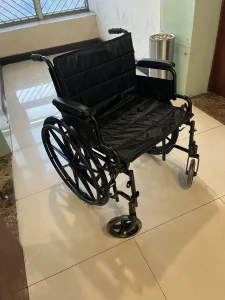
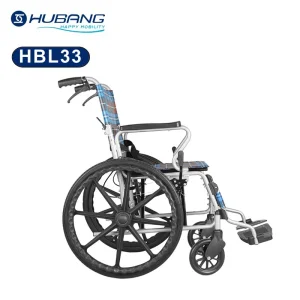
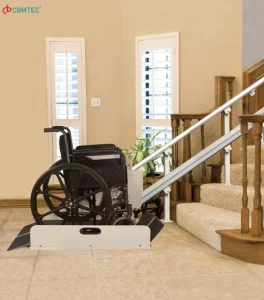
Founded in 1998, Jinhua Kidvora Chair CO., LTD. is a high-tech manufacturer specializing in wheelchair research, development, production, and global sales. Over decades of refinement, we have developed optimized products and support structures that make us a leading partner for municipal, regional, and national procurement projects.
Located in Jinhua Yongkang, our expansive facility covers a production building area of more than 20,000 square meters and is powered by a team of over 150 skilled employees. Our machinery fleet is engineered for robust industrial output:
By designing with local environmental challenges in mind, Kidvora exports high-performance medical hardware to demanding regions like the USA, Canada, the United Kingdom, Germany, and the wider Pacific Region.
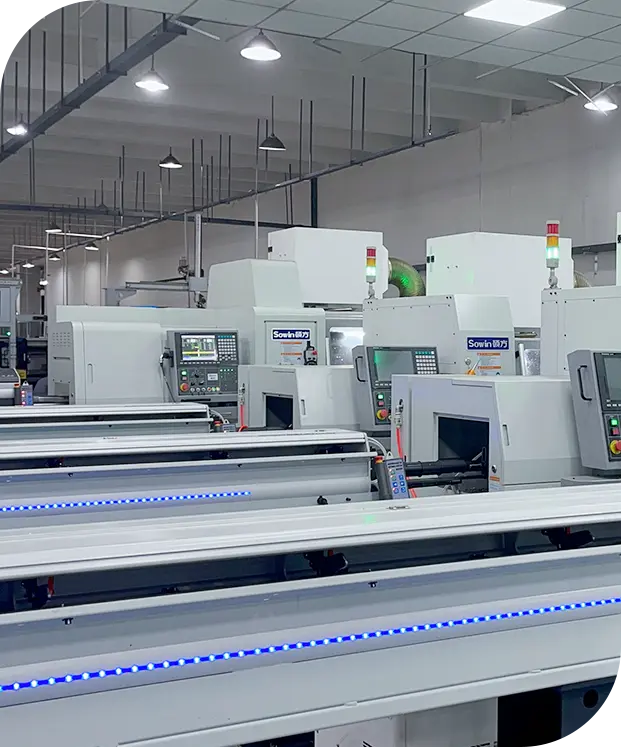
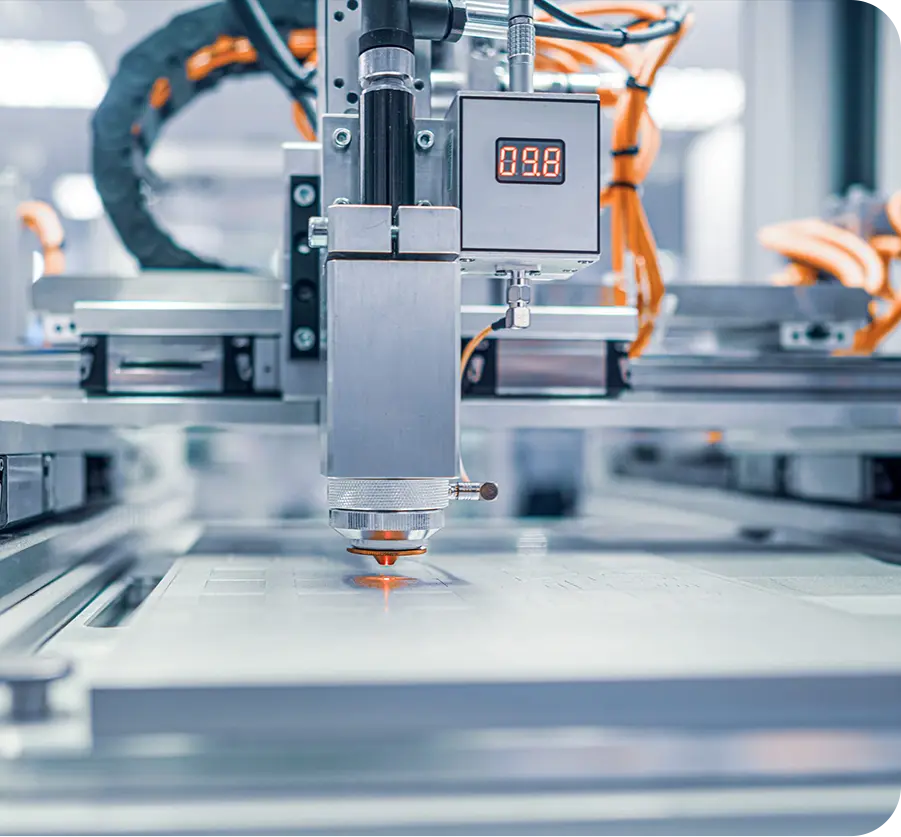
Supporting healthcare infrastructure across the Pacific through large-scale manufacturing precision and compliance.
Procuring medical hardware for Pacific nations requires absolute alignment with international medical and regulatory standards. Every all-terrain manual wheelchair manufactured by Jinhua Kidvora is developed to conform to rigorous quality management criteria:
| Standard / Certification | Compliance Focus | Kiribati Application Significance |
|---|---|---|
| ISO 13485 | Medical Devices Quality Management System | Ensures consistency in high-quality medical engineering across batches. |
| CE Mark / MDR Compliance | European Union Health, Safety, and Environmental standards | Mandatory verification required by international aid agencies and donor funds. |
| EN 12183 | Manual Wheelchairs requirements and test methods | Ensures reliable frame strength, static stability, and impact durability. |
| ASTM Salt Spray Testing | Assessment of corrosion resistance on powder coatings | Guarantees durability of structural components against marine sea-spray. |
Kidvora provides flexible procurement structures to simplify regional shipping. By utilizing specialized flat-packaging protocols, we optimize loading density in shipping containers. This minimizes per-unit shipping fees and simplifies onward logistics from South Tarawa’s commercial port to distant islands, including Tabiteuea and Abemama.
Review our full range of heavy-duty, reinforced models tailored for diverse mobility needs.
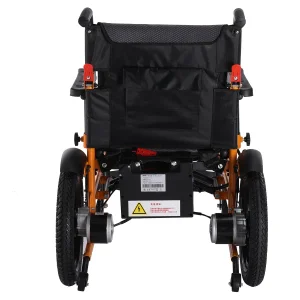
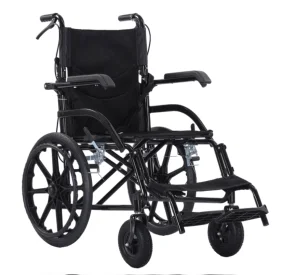
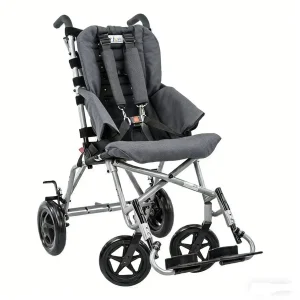
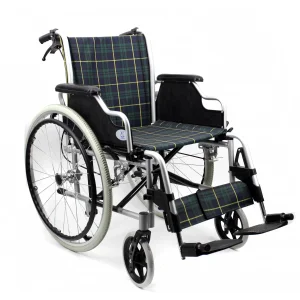
Sustainable B2B sourcing requires anticipating industrial developments over the next three to five years. Kidvora’s engineering pipeline actively addresses the unique challenges of small island developing nations:
Developing rust-proof composite wheel assemblies utilizing high-density recycled plastics, reducing structural reliance on metals prone to maritime air degradation.
Engineered quick-release setups allowing users to alternate between standard indoor casters and high-flotation wide tires without tools, reducing maintenance strain in remote villages.
Providing community assembly and repair manuals along with standardization kits, ensuring local clinics in Tarawa keep units functional without relying on international technicians.
Addressing technical, logistical, and design concerns for professional B2B buyers.
Have a specific project tender or custom specifications to discuss?
Get a Project Quote Kidvora Chair